
Golf green frost protection helps course teams prepare before cold mornings disrupt the first tee time. When frost settles on greens, crews have to protect the playing surface while members, guests, and staff wait for conditions to clear. Keeping covers ready the night before gives maintenance teams a practical way to prepare before the delay starts.
The right cover holds warmth near the surface, reduces frost formation, and gives crews more control during unpredictable shoulder-season weather. Instead of reacting after frost is already on the ground, your team can protect priority greens earlier and start the morning with a better plan.
What Frost Delays Really Cost a Golf Course
Frost delays are easy to treat as routine until they start repeating week after week. Each delay can mean lost tee times, backed-up schedules, waiting staff, and golfers who begin the day frustrated before play even starts.
There is also a turf cost behind the operational one, and USGA Green Section research on traffic during frost and freezing conditions shows why turf managers take cold-morning restrictions seriously. When golfers or equipment move too early, damaged turf can take days or weeks to recover, especially when frost keeps returning through the season.
How Golf Green Frost Protection Helps Protect Turf
Frost forms when surface temperatures drop low enough for moisture to freeze on the grass blades. Once that happens, the green becomes vulnerable because foot traffic can crush frozen leaf tissue and leave visible damage after the frost clears. Golf green frost protection helps reduce that risk by holding warmth closer to the turf surface overnight.
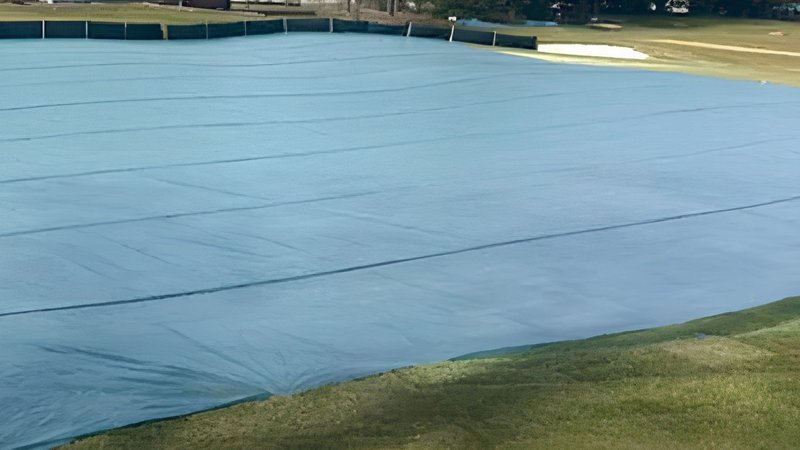
For light to moderate overnight frost, the Evergreen Premium Turf Cover gives crews a practical balance of heat retention, breathability, and daily-use handling. When the forecast brings ice, sleet, or snow concerns, Evergreen Ice Shield adds a stronger layer of protection between the plant crown and ice.
With coverage in place, your crew has a more stable environment to work with before the morning rush begins. Instead of waiting for frost to burn off naturally, course teams can use covers to protect the green, preserve playing conditions, and make cold-weather decisions less reactive.
Better Morning Playability During Shoulder Seasons
Frost delays are most disruptive during the shoulder seasons, when courses are still trying to capture playable days between weather swings. A cold morning in October or March can interrupt an otherwise good golf day, especially when the course is dry enough for play, but the greens still need time to clear.
Golf green frost protection helps protect that early-morning window by giving greens a better chance to stay closer to playable condition overnight. For members and guests, that can mean fewer slow starts and a more dependable schedule. For the course, it can mean stronger daily operations when every playable tee time still counts.
Why Fast Installation Matters for Golf Green Frost Protection
Even the best frost protection plan can fall apart if setup takes too long. Golf green frost protection needs to be easy enough for crews to deploy before temperatures drop and remove before morning play begins.
A practical setup should help crews manage:
- Overnight frost warnings
- Early morning tee-time schedules
- Limited crew availability
- Quick cover removal before play
- Storage without taking over the maintenance shed
When protection fits into the normal maintenance routine, crews are more likely to use it consistently. Consistent use turns frost protection from an occasional fix into a reliable part of course operations.
Long-Term Turf Protection Starts Before Damage Happens
Frost damage is not always obvious the moment it happens. Penn State Extension notes that cool-season turfgrass root growth slows as soil temperatures approach freezing, which makes repeated cold stress harder on greens that are already under pressure.

Low spots, shaded areas, and weaker turf density often show damage first. Once those areas become recurring trouble spots, crews may spend more time repairing the same sections instead of preventing the damage early.
Covers give turf managers a proactive way to protect that long-term turf investment. When greens stay more stable through cold nights, the surface has a better chance to hold quality, recover cleanly, and enter the next part of the season in stronger condition.
Match Growth Blankets to Your Frost Pressure
A course with frequent shoulder-season frost needs a different plan than one dealing with only a few cold starts each year. The right golf green frost protection plan depends on your frost pattern, crew size, storage space, and how quickly your team needs greens ready for play.
Evergreen Turf Covers helps golf course teams prepare before frost delays take over the morning schedule. Talk with Evergreen Turf Covers about golf green frost protection for your greens, crew needs, and frost risk before the next cold start slows play.