
Winter conditions can pose serious risks for golf course turf. Freezing temperatures, ice buildup, and prolonged snow cover can damage grass surfaces and lead to costly repairs when spring arrives. Because of these risks, many superintendents consider golf course winter protection an essential part of their turf management strategy.
Investing in winter protection systems helps reduce the risk of turf damage while maintaining healthier playing surfaces for the following season. By protecting greens and other sensitive areas, golf courses can avoid major repair work and improve turf performance when temperatures begin to rise.
Many golf courses rely on solutions from Evergreen Turf Covers to help support reliable winter protection.
Golf Course Winter Protection Strategies
Golf course winter protection includes strategies designed to shield turf from freezing temperatures, ice buildup, and prolonged snow cover. By protecting greens and other sensitive areas, superintendents can reduce winter damage and support healthier turf conditions when spring arrives.
These systems help reduce environmental stress on grass while maintaining more stable soil conditions beneath the surface. When properly implemented, winter protection strategies can help preserve turf quality throughout the coldest months.
Common winter protection methods include:
- installing turf covers on greens
- protecting turf from ice and frost
- maintaining proper drainage
- reducing environmental stress during colder months
More information about these solutions can be found on the Evergreen turf covers information page.
The Cost of Winter Turf Damage
When turf suffers severe winter damage, golf courses may face significant repair costs. Winterkill can leave greens with thin or dead turf areas that require reseeding, repair, or even full surface restoration.
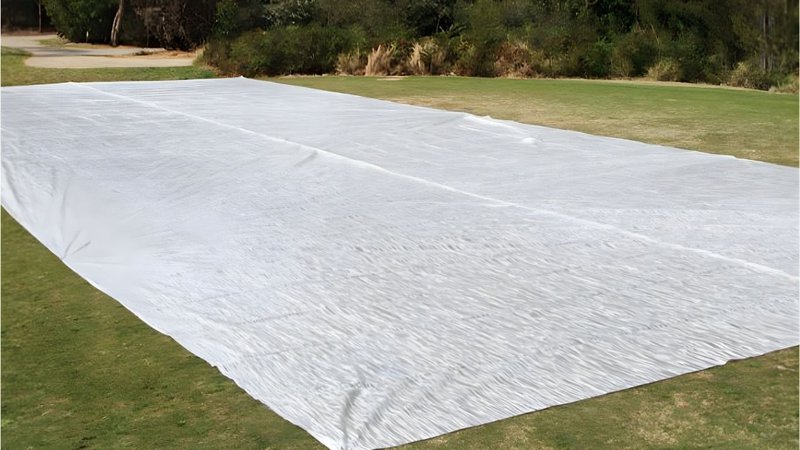
These repairs may include:
- reseeding damaged turf
- replacing sections of grass
- additional maintenance labor
- delayed course openings in spring
In some cases, the financial impact of winter damage can exceed the cost of preventive protection.
Because of this, many superintendents evaluate golf course winter protection systems as a long-term investment rather than a seasonal expense.
How Winter Protection Systems Reduce Risk
Winter protection systems help reduce the environmental stress that often leads to turf damage. By covering greens and sensitive turf areas, these systems create a more stable environment for grass during colder months.
Using protective covers can help:
- reduce exposure to freezing temperatures
- prevent ice buildup on turf
- maintain more consistent soil temperatures
- protect grass crowns during winter
Products such as the Evergreen Premium Turf Cover are designed to provide dependable protection for golf course greens.
Long-Term Benefits for Golf Courses
Beyond preventing winter damage, golf course winter protection systems offer several long-term advantages.
Golf courses that invest in winter protection often experience:
- healthier greens in spring
- reduced turf repair costs
- improved turf density
- more consistent playing conditions
When turf surfaces recover more quickly in spring, courses may also open earlier and maintain better playing quality throughout the season.
Many facilities explore solutions such as the Evergreen Radiant Turf Cover and the Evergreen Original Turf Cover to support reliable winter protection.
Making the Right Winter Protection Investment
Selecting the right golf course winter protection system depends on several factors, including climate conditions, turf type, and course maintenance practices.
Superintendents often evaluate:
- local winter weather patterns
- turf sensitivity to freezing conditions
- labor requirements for installing covers
- long-term turf maintenance costs
When these factors are carefully considered, golf course winter protection systems can provide strong long-term value.
You can learn more about Evergreen’s turf expertise on the Evergreen About page.
Planning a Golf Course Winter Protection Strategy
Effective golf course winter protection begins with careful planning before cold weather arrives. Superintendents often evaluate which areas of the course are most vulnerable to winter damage. Greens, collars, and other sensitive turf areas typically require the greatest level of protection.
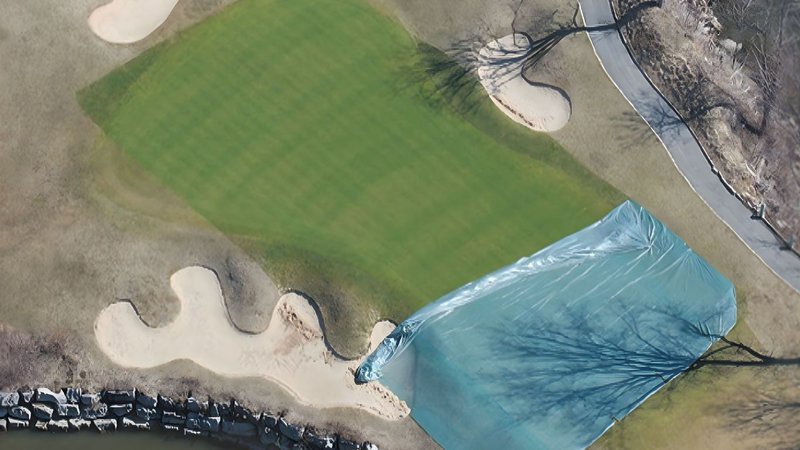
Weather patterns, soil conditions, and turf health all play a role in determining the best protection strategy. By identifying potential risks early, turf managers can implement protective measures before severe winter conditions develop.
Planning ahead allows courses to protect valuable turf surfaces and reduce the likelihood of expensive repairs in spring.
Protecting Turf for the Seasons Ahead
Winter protection is not simply about preventing damage. It is also about maintaining turf health and protecting valuable playing surfaces.
By investing in effective golf course winter protection strategies, superintendents can reduce risk, protect greens, and improve long-term turf performance.
If you are exploring winter protection solutions for your facility, Evergreen Turf Covers offers products designed specifically for golf course environments.
You can request a quote from Evergreen Turf Covers or contact the Evergreen team to learn more about the best turf cover solution for your course.