
Winter can be one of the most challenging seasons for turf managers. Without proper preparation, grass surfaces may suffer severe damage from freezing temperatures, ice buildup, and prolonged snow cover. Overwintering turf is an important strategy that helps protect natural grass and reduce the risk of winterkill on golf courses and sports fields.
By preparing turf surfaces before winter arrives, superintendents can strengthen grass health and create conditions that help turf survive harsh seasonal conditions.
Many turf professionals rely on solutions from Evergreen Turf Covers to help protect turf and support successful overwintering.
Overwintering Turf
Overwintering turf involves preparing grass surfaces to survive freezing temperatures, ice buildup, and prolonged snow cover. When turf managers implement proper overwintering strategies, grass is better protected from winter damage and can recover more quickly when spring arrives.
Overwintering Turf Strategies for Winter Protection
Overwintering turf requires careful preparation before freezing temperatures arrive. By strengthening turf health and protecting grass from environmental stress, turf managers can reduce the risk of winter damage. Many golf courses and sports facilities use protective covers and proper maintenance practices to support successful overwintering turf conditions.
What is Overwintering Turf
Overwintering turf refers to the management practices used to prepare grass surfaces for winter conditions. These strategies help protect turf from freezing temperatures and environmental stress during the coldest months of the year.
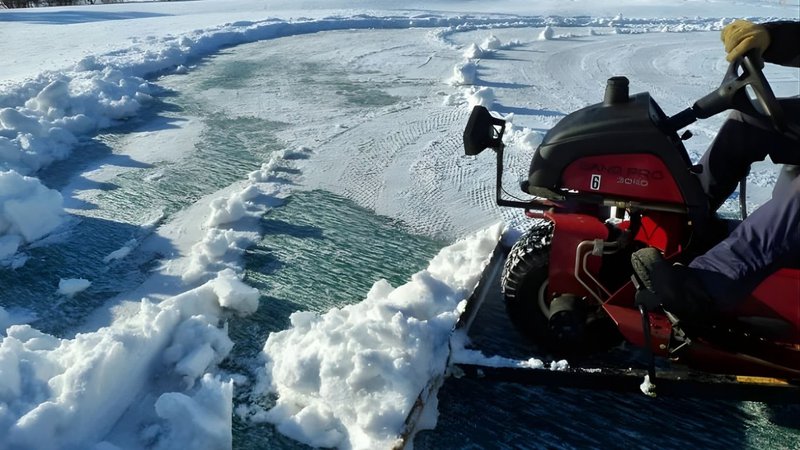
When turf is properly prepared before winter, grass is better able to survive extreme weather and recover more quickly in spring.
Key factors involved in overwintering turf include:
- strengthening turf health before winter
- protecting turf from ice and frost
- maintaining proper drainage
- reducing environmental stress on grass surfaces
More information about turf protection strategies can be found on the Evergreen turf covers information page.
Why Winterkill Happens
Winterkill occurs when grass cannot survive extended exposure to harsh winter conditions. Ice layers can block oxygen from reaching the turf, while freezing temperatures can damage plant tissue.
Golf greens and sports fields are especially vulnerable because these surfaces experience heavy use throughout the year.
Common causes of winterkill include:
- Prolonged ice cover
- Extreme cold temperatures
- Poor drainage
- Weak turf entering winter
Because winterkill can damage large areas of turf, preventive strategies are essential.
How Protective Covers Help Overwintering Turf
Protective covers can play a key role in successful overwintering turf strategies. By shielding grass from extreme temperature fluctuations, covers help create a more stable environment at the turf surface.
These covers can help:
- Protect turf from ice buildup
- Reduce exposure to freezing winds
- Maintain more consistent soil temperatures
- Protect grass crowns during winter
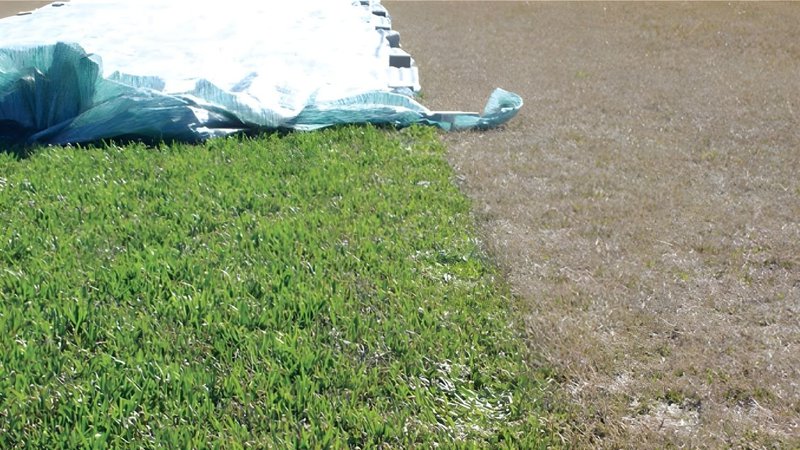
Products such as the Evergreen Premium Turf Cover are designed to provide reliable protection for golf greens and sports turf surfaces.
Overwintering Turf Preparation Before Winter
Successful overwintering begins well before temperatures drop. Turf managers should begin preparing surfaces during the late growing season.
Several practices can help strengthen turf before winter.
Improve Turf Health
Healthy grass entering winter has a greater chance of surviving harsh conditions. Proper fertilization and maintenance help improve turf resilience.
Maintain Proper Drainage
Water that remains on the turf surface can freeze and cause damage. Ensuring proper drainage helps reduce the risk of ice buildup.
Reduce Turf Stress
Minimizing excessive traffic late in the season can help turf recover and enter winter in better condition.
Facilities often explore solutions such as the Evergreen Radiant Turf Cover and the Evergreen Original Turf Cover to help protect turf during the winter months.
The Benefits of Proper Overwintering
Proper overwintering turf strategies can significantly improve turf performance when spring arrives.
Facilities that protect turf during winter may experience:
- faster spring green-up
- stronger turf density
- fewer damaged areas
- improved playing conditions
Because of these benefits, many superintendents consider overwintering an essential part of year-round turf management.
You can learn more about Evergreen’s turf expertise on the Evergreen About page.
Monitoring Turf Conditions During Winter
Even after turf is prepared for winter, monitoring conditions throughout the season remains important. Snow accumulation, ice formation, and sudden temperature changes can all affect turf health.
Regular inspections allow turf managers to identify potential problems early. When issues such as ice buildup or poor drainage are addressed quickly, the risk of winter damage can be reduced. These proactive steps support successful overwintering turf and help maintain healthier playing surfaces when spring arrives.
Protect Your Turf Before Winter Begins
Preparing turf for winter conditions requires planning and the right protection strategies. By strengthening turf health and using protective solutions when needed, superintendents can reduce the risk of winterkill and maintain healthier playing surfaces.
Implementing effective overwintering turf practices helps protect valuable turf surfaces and supports stronger turf recovery when the growing season returns.
If you are looking for dependable turf protection solutions, Evergreen Turf Covers offers products designed specifically for golf courses and sports facilities.
You can request a quote from Evergreen Turf Covers or contact the Evergreen team to learn more about the best turf cover solution for your facility.