
A green’s spring recovery often starts long before the first warm week arrives. The way crews manage winter soil conditions can influence spring green up, especially when temperatures rise and fall for weeks before the season opens. Heat-retaining turf covers help crews manage that quiet window, when the turf may still look dormant but conditions below the surface are already shaping recovery.
For superintendents, the goal is not to force growth before the plant is ready. It is to help greens hold steadier conditions so they can wake up cleaner, earlier, and with less stress. When winter protection supports steadier soil temperature, spring recovery becomes easier to manage.
Spring Green Up Starts With Soil Temperature
Grass responds to soil temperature more than to the calendar. Cool-season turf begins active growth when the root zone warms enough to support steady plant activity, and Penn State Extension notes that root growth slows as soil temperatures approach freezing.
An exposed green loses heat quickly through cold nights, wind, and freeze-thaw swings. A covered green has a better chance to hold warmth near the surface, which can support a smoother transition out of dormancy.
How Turf Covers Hold Heat Through Winter
Turf covers create a protected space between the material and the green. During the day, the soil absorbs warmth from the sun; overnight, the cover reduces how much of that stored heat escapes into open air.
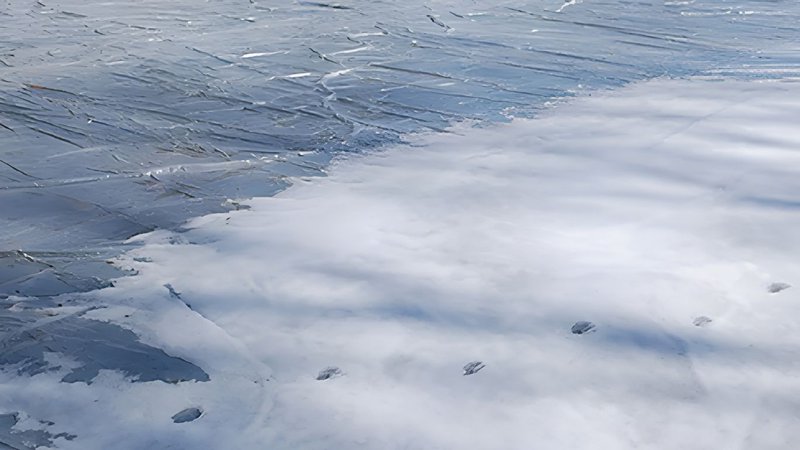
Heat retention matters most when temperatures sit close to the threshold for active growth. Even a small difference under the cover can keep the root zone more stable through late winter and early spring.
The Evergreen Radiant Turf Cover is built for stronger heat retention and can radiate 25% more heat back into the turf. For courses trying to encourage earlier spring green up, that added warmth can help greens move out of dormancy with fewer setbacks.
Small Temperature Gains Support Spring Green Up
A single mild night under a cover may not seem like much on its own. Over several weeks, though, steadier warmth can help the root zone avoid the sharp swings that make recovery less predictable.
Heat retention becomes valuable for spring green up because the benefit builds quietly through late winter. That steady support gives greens a better base before active growth begins.
Different Climates Need Different Heat Retention
Not every course needs the same level of thermal support. A facility in a mild transitional climate may need flexibility, while a course facing long, hard freezes may need stronger heat retention through the coldest part of the year.
Evergreen offers options for different winter patterns:
- Moderate winter weather where basic temperature support is enough.
- Frequent cover use during changing shoulder-season conditions, where the Evergreen Premium Turf Cover can support flexible protection.
- Colder climates, where extended freezes make heat retention more important.
Matching the cover to the climate helps crews plan with more confidence. It also keeps the program focused on the actual risks affecting the course instead of using the same approach for every winter scenario.
Early Deployment Makes the Difference
Heat retention works best when it has time to build. A cover placed before deep winter helps the root zone avoid repeated temperature swings instead of trying to recover lost ground later.
Waiting until late winter can still help, but it limits the benefit. Courses aiming for earlier spring green up usually see stronger results when covers are part of the winter program before the coldest stretch arrives.
The logistics do not need to be complicated. With lightweight handling and a clear deployment plan, crews can protect priority greens without disrupting the rest of the maintenance schedule.
Watch the Transition Back Into Active Growth
Spring weather can shift quickly, even after greens begin to respond. A warm week may be followed by cold nights, wind, or rain that slows recovery again.
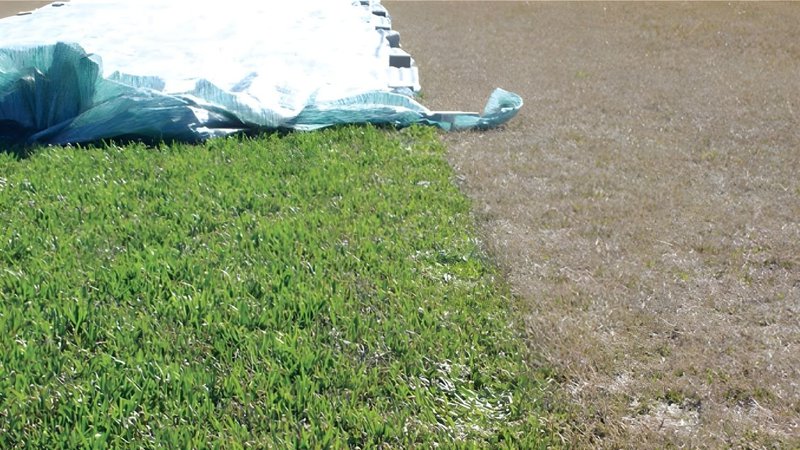
During the transition back into active growth, crews need to balance protection with airflow and timing. The Evergreen Original Turf Cover allows air, water, and light penetration, which helps crews protect turf without over-sheltering the developing canopy.
Checking greens regularly as temperatures rise gives crews a better read on what the surface needs. The goal is a steady return to active growth, not a rushed one.
Give Greens a Head Start Before the Season Opens
Evergreen Turf Covers help superintendents manage the months that shape spring green up and early-season turf quality. By helping greens hold more warmth through winter and transition more steadily into spring, the right cover plan can reduce stress before recovery becomes visible.
Give your greens a better path into spring. Build a cover plan with Evergreen Turf Covers to compare heat-retaining options that support cleaner recovery when the season opens.