
Winter weather can take a serious toll on natural grass surfaces. Winter kill turf occurs when grass is damaged or killed by extreme cold, ice cover, or prolonged snow conditions. When spring arrives, golf courses and sports fields may be left with thin or completely damaged turf areas that require significant recovery.
For turf managers, rebuilding turf after a winter kill event requires a clear recovery strategy. By focusing on proper turf repair techniques and protective management practices, facilities can restore healthy playing surfaces and prevent further damage.
Many turf professionals rely on solutions from Evergreen Turf Covers to help protect turf and support recovery following difficult winter conditions.
Understanding Winter Kill Turf Damage
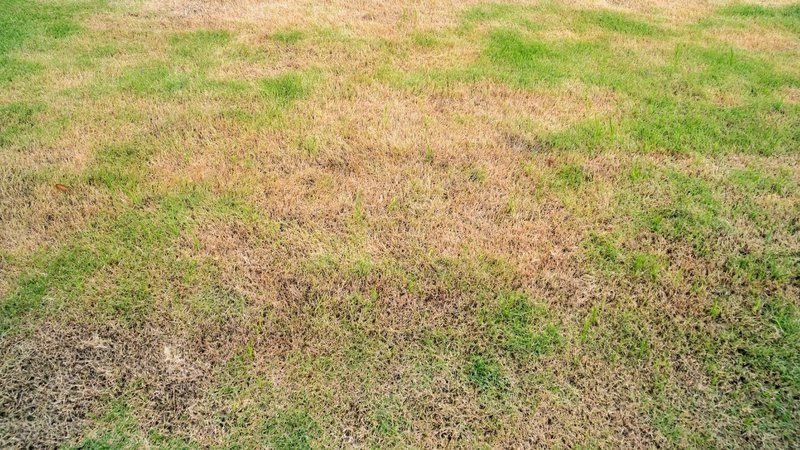
Winter kill turf can develop when grass experiences prolonged exposure to harsh winter weather. Ice layers, freezing temperatures, and poor air circulation can suffocate turf and damage plant tissue.
In many cases, turf managers first notice winter kill when snow melts and damaged areas appear across the field or green.
Common signs of winter kill turf include:
- dead or thinning grass patches
- delayed spring green-up
- weak turf root systems
- uneven playing surfaces
Because winter damage can affect large areas of turf, early assessment is essential for planning an effective recovery strategy.
More information about turf protection strategies can be found on the Evergreen turf covers information page.
Immediate Steps After Winter Damage
Once winter conditions begin to improve, turf managers should evaluate the extent of winter kill turf damage. This early assessment helps determine whether turf can recover naturally or if reseeding and repair will be necessary.
Several actions can help support early recovery.
Remove Excess Debris and Ice
Clearing debris and breaking up remaining ice can improve airflow and allow sunlight to reach the turf surface.
Evaluate Soil and Drainage Conditions
Poor drainage can worsen winter damage. Ensuring proper drainage allows water to move away from the turf surface and reduces the risk of further stress.
Reseed Damaged Areas
In areas where grass has died, overseeding can help rebuild turf density. Providing proper moisture and temperature conditions supports faster seed germination.
How Turf Covers Support Recovery
Turf covers can play an important role in helping damaged turf recover. By creating a more stable environment, covers help maintain warmth and reduce environmental stress during early spring recovery.
Using turf covers after a winter kill event can help:
- retain soil warmth
- protect new seedlings
- improve germination conditions
- support stronger turf regrowth
Products such as the Evergreen Premium Turf Cover are designed to provide reliable protection for golf greens and sports turf surfaces during recovery periods.
Preventing Future Winter Kill Turf Damage
While winter damage cannot always be avoided, several strategies can reduce the risk of severe turf loss in future seasons.
Improve Turf Health Before Winter
Healthy turf going into winter is more resilient to cold temperatures and environmental stress. Proper fertilization and turf maintenance throughout the growing season help strengthen the grass.
Protect Turf from Ice and Temperature Extremes
Protective covers can help reduce the impact of freezing temperatures and ice buildup. By creating a more stable environment, covers help protect grass during harsh winter conditions.
Monitor Turf Conditions During Winter
Regular inspections allow turf managers to respond quickly to changing conditions. Addressing problems early may prevent larger areas of winter kill turf damage.
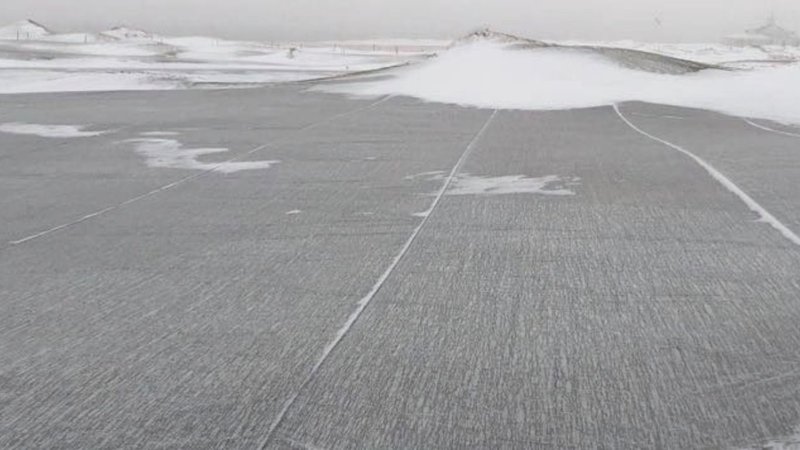
Facilities often explore solutions such as the Evergreen Radiant Turf Cover and the Evergreen Original Turf Cover to support winter turf protection.
Rebuilding Strong Turf After Winter
In many cases, turf managers may need to monitor repaired areas for several weeks to ensure successful recovery. Consistent watering, proper soil preparation, and controlled traffic can help newly established grass develop stronger roots. These steps allow damaged areas to recover more effectively and improve turf density over time.
Recovering from winter kill turf damage requires careful planning and the right turf management approach. By evaluating turf conditions early and implementing effective recovery strategies, turf managers can rebuild healthy playing surfaces for the upcoming season.
Using winter kill turf recovery strategies combined with proper turf protection can help restore grass health and improve long-term turf performance.
If you are looking for dependable turf protection solutions, Evergreen Turf Covers offers products designed specifically for golf courses and sports facilities.
You can request a quote from Evergreen Turf Covers or contact the Evergreen team to learn more about the best turf cover solution for your facility.