
Seeding work can put a lot of pressure on the maintenance schedule. Once seed is down, crews need the right conditions to help it germinate, root, and fill in before play resumes or the weather changes. A germination blanket helps by creating a warmer, steadier seedbed during that early growth window.
The blanket does not change how grass seed grows, but it can improve the seedbed around it. By holding warmth and moisture near the soil surface, it gives seed a stronger chance to germinate quickly and evenly. For golf courses, sports fields, and turf farms, that can mean fewer delays and a cleaner path from seeding to usable turf.
How a Germination Blanket Changes the Seedbed
A freshly seeded surface is vulnerable because the seedbed can dry out, cool down, or warm unevenly throughout the day. Open air gives crews less control, especially when wind, shade, or shoulder-season temperatures work against steady growth. A germination blanket helps reduce those swings by holding better conditions closer to the soil.
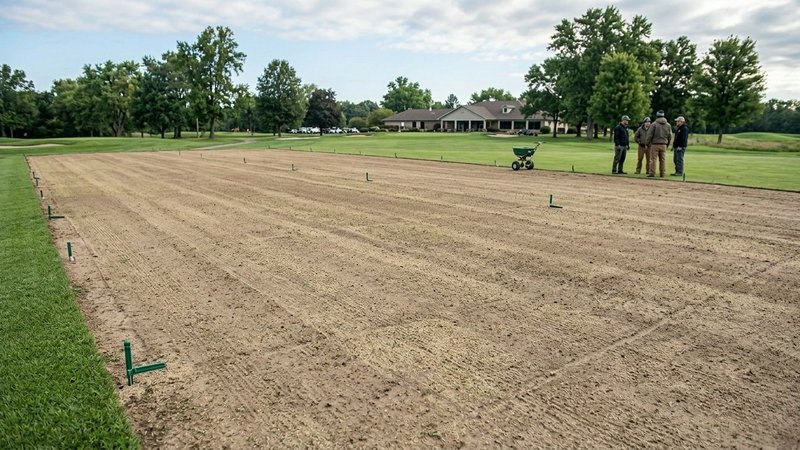
Under the Evergreen Original Turf Cover, soil and air temperatures can rise compared to an exposed surface, giving seed a warmer start during tight establishment windows. That extra warmth can make a real difference when seed is sitting in borderline conditions. The cover also helps retain moisture while still allowing air and water to move through the material.
The result is not just faster activity under the cover. It is a more stable seedbed that gives new turf a better chance to start evenly, especially when the weather is not doing crews any favors.
Why Warmer Soil Can Speed Up Seed Growth
Turf seed responds quickly when the soil reaches the right temperature range, and Purdue Turf outlines those ideal germination ranges by grass type. When the surface stays too cool, seed may sit longer before it starts growing, even when the seedbed has been prepared well, and irrigation is consistent.
A germination blanket helps by adding warmth where the seed needs it most. For cool-season turf, that added warmth can turn a marginal seeding window into a more productive one, helping crews move from waiting on growth to managing establishment.
A More Even Start for New Turf
Speed matters, but even growth matters too. When one section of a seeded surface warms faster than another, germination can happen unevenly and leave thin spots that need more attention later.
A germination blanket helps create steadier conditions across the covered area. That consistency can reduce patchy results and give crews a cleaner stand of new turf to manage.
For golf greens, sports fields, and turf farms, uniform establishment can save time after the first signs of growth appear. Instead of chasing lagging areas with follow-up seeding, crews can focus on helping the whole surface mature.
When to Remove a Germination Blanket
A germination blanket should stay in place long enough to support early growth, but not so long that it limits airflow around the developing canopy. Once seedlings show visible establishment, crews should begin checking the surface more closely.
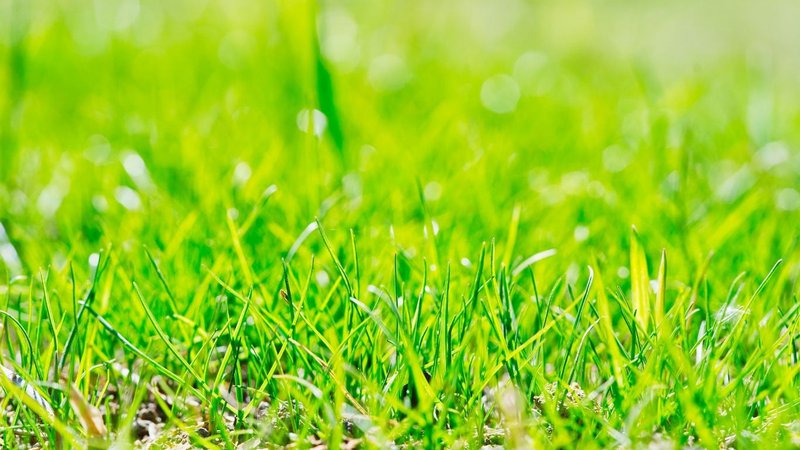
In most seeding situations, checking every two to three days after germination begins gives enough time to plan removal. The goal is to lift the cover while the young turf is strong enough to keep growing, but before the canopy becomes too dense underneath. The University of Minnesota Extension also recommends watching emerged seedlings closely so they do not dry out during early growth.
Where Germination Blankets Help the Most
Germination blankets are most useful when temperature is the main thing slowing seed growth. They can support seeding work when preparation and irrigation are already solid, but cool soil, wind, or uneven surface conditions keep slowing progress.
They can be especially helpful for:
- New construction seeding
- Routine overseeding
- Post-aeration recovery seeding
- Cool-season turf establishment
- Small repair areas that need faster fill-in
Across these uses, the goal stays the same. A germination blanket helps crews create better seedbed conditions so new turf can establish faster, more evenly, and with fewer setbacks.
Support Faster Establishment With Evergreen Turf Covers
Evergreen Turf Covers help turf professionals create better growing conditions when seed needs a stronger start. By holding warmth and moisture near the seedbed while still allowing air and water movement, the right cover can support faster germination, more even establishment, and a smoother transition from seeding to usable turf.
Give new seed the conditions it needs before weather or schedule pressure slows progress. Contact Evergreen Turf Covers to request a custom quote and plan a practical cover strategy for faster, more even establishment during your next seeding window.